Controlling Water Flow to Prevent Flooding Risks
Water runoff controls are essential components in managing excess surface water, preventing erosion, and protecting property foundations. Properly designed runoff systems help direct water away from structures and landscape features, reducing the risk of flooding and water damage. Implementing effective runoff controls can also improve drainage efficiency, minimize soil erosion, and support the integrity of landscaped areas.
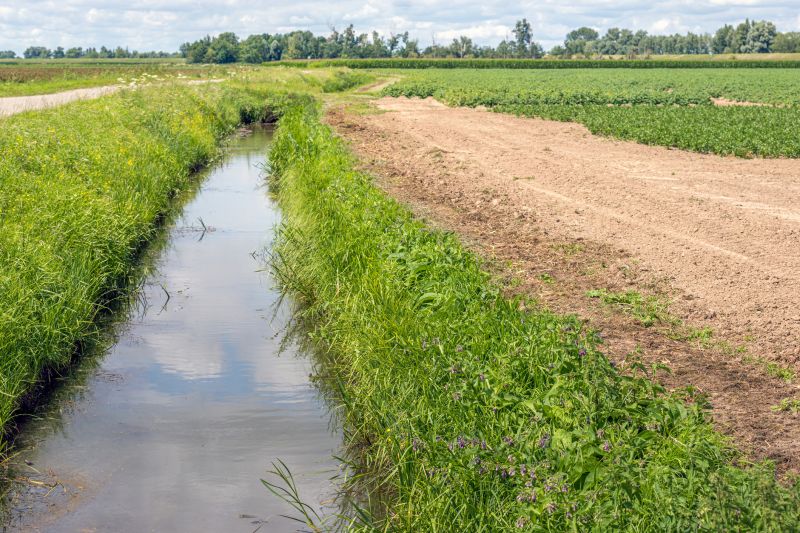
Drainage channels are engineered pathways that direct excess water away from critical areas, reducing pooling and erosion.
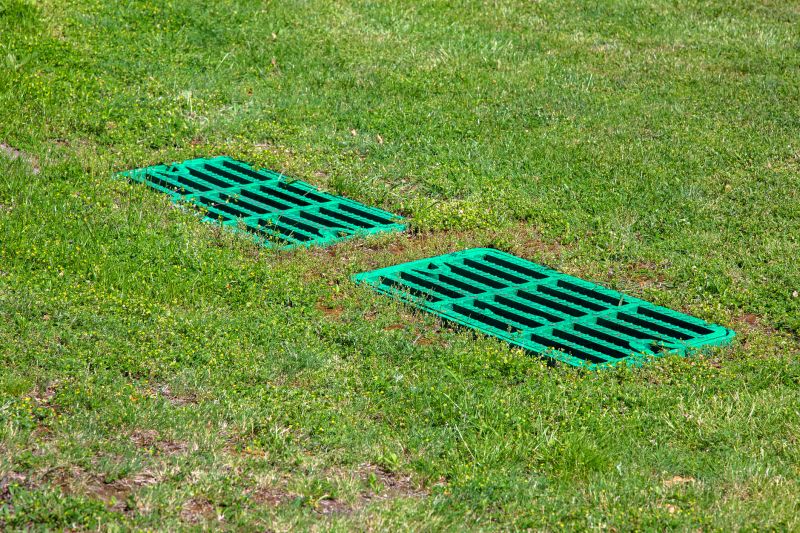
Retention basins temporarily hold runoff water, allowing it to slowly infiltrate or be released, reducing downstream flooding.
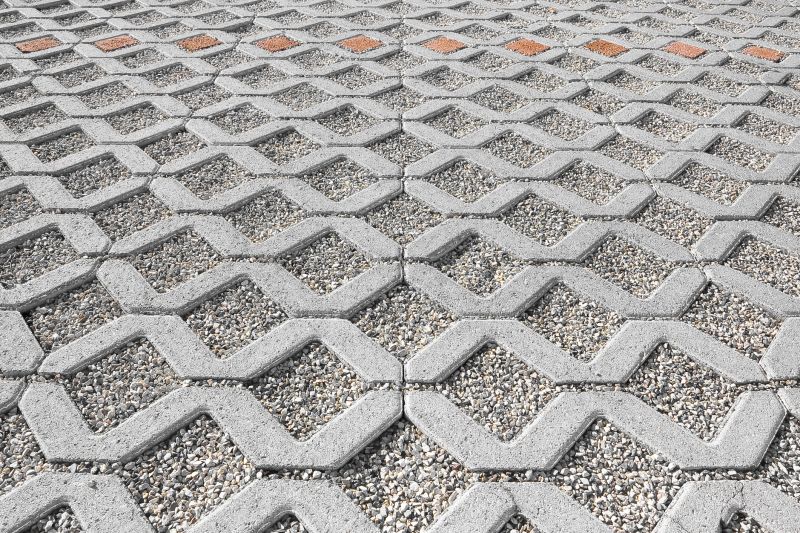
Permeable pavements allow water to pass through, decreasing surface runoff and promoting groundwater recharge.
Effective water runoff management involves a combination of infrastructure and landscape practices designed to control the flow and absorption of surface water. Proper planning and installation of runoff controls can significantly reduce erosion, protect soil stability, and prevent water from pooling in undesired areas. These systems are vital for maintaining the safety and durability of properties, especially in regions prone to heavy rain or storm events.
Typical Timeline for Installation
The installation of water runoff controls by a professional typically takes between one to three days, depending on the complexity and scope of the project. Factors influencing the timeline include site size, type of systems installed, and site preparation requirements. Proper planning ensures that the system functions effectively and integrates seamlessly with existing landscape features.
Installation Process Overview
The process begins with a site assessment to identify runoff patterns and problem areas. Next, a detailed plan is developed, outlining the placement of drainage features and retention structures. Excavation and grading are performed to establish proper slopes and pathways. Installation of drainage pipes, basins, and permeable surfaces follows, with final adjustments ensuring optimal water flow. The system is then tested for functionality and integrated with landscape features for aesthetic consistency.
Why Hire a Professional for Water Runoff Controls
Hiring a professional ensures that water runoff controls are designed and installed correctly, maximizing effectiveness and durability. Experienced installers understand local regulations, soil conditions, and proper drainage principles, reducing the risk of future issues. Proper installation can also prevent costly repairs and property damage caused by poorly managed runoff systems.
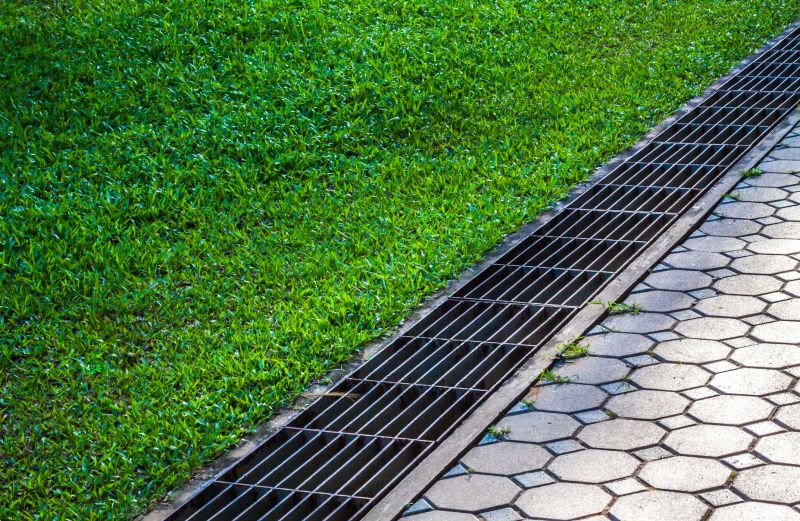
A professionally installed drainage system effectively manages surface water, preventing pooling and erosion.
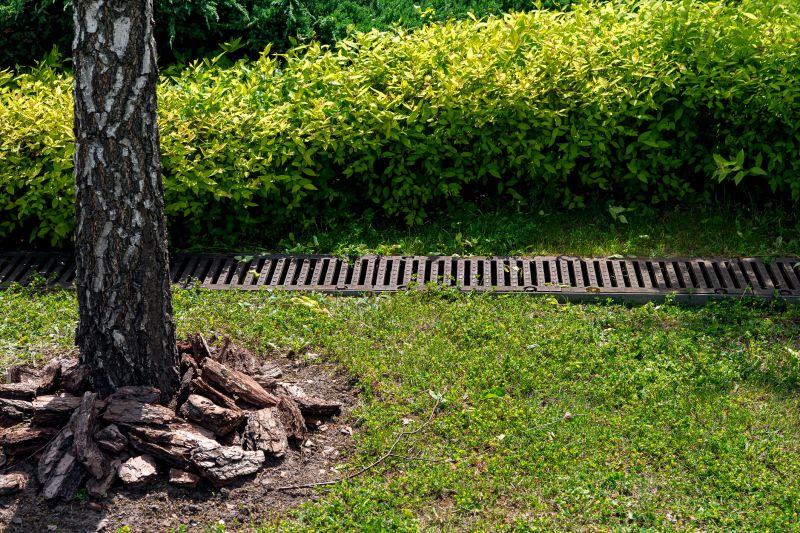
A retention basin designed and installed by experts ensures proper water management during heavy rainfall.
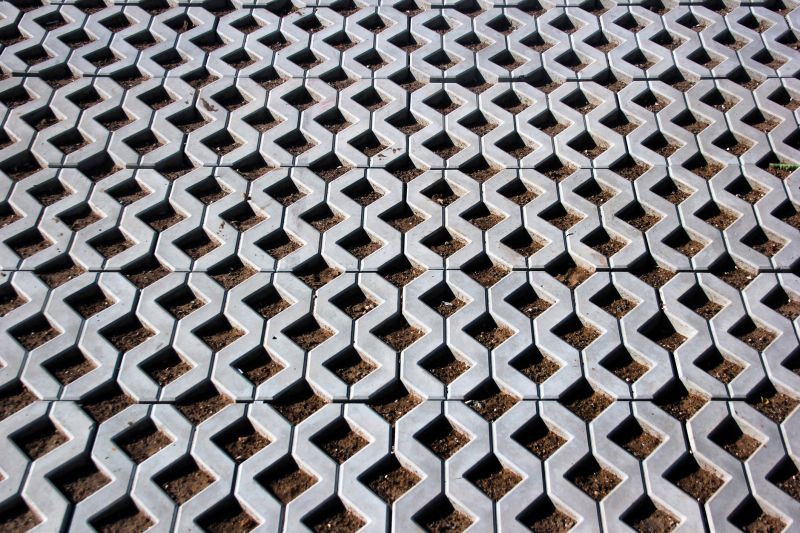
Permeable surfaces installed by professionals facilitate water infiltration and reduce runoff.
Properly managed water runoff is crucial for protecting property integrity and landscape stability. Effective systems prevent water pooling, reduce erosion, and support long-term drainage efficiency. For those interested in implementing water runoff controls, filling out the contact form can provide an opportunity to receive a detailed quote tailored to specific site needs.