Optimal Timing for Water Runoff Controls
Effective water runoff controls are crucial for managing stormwater and preventing erosion. Timing these installations appropriately can maximize their efficiency and longevity, ensuring optimal performance during periods of heavy rainfall and runoff.
Spring is ideal for installing runoff controls before the rainy season begins, allowing systems to be fully operational during peak storm periods.
Preparing runoff controls prior to the rainy season ensures they are in place to handle increased water flow and prevent flooding.
Post-storm inspections and maintenance help ensure runoff controls remain effective after heavy rainfall events.
Monitoring runoff systems during dry seasons can identify potential issues before the next storm season.
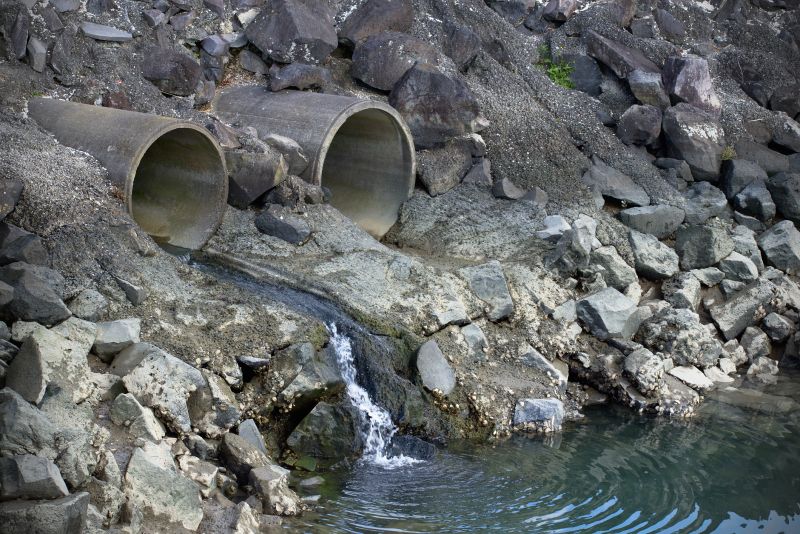
Installation of water runoff controls during dry periods ensures readiness for upcoming storms.
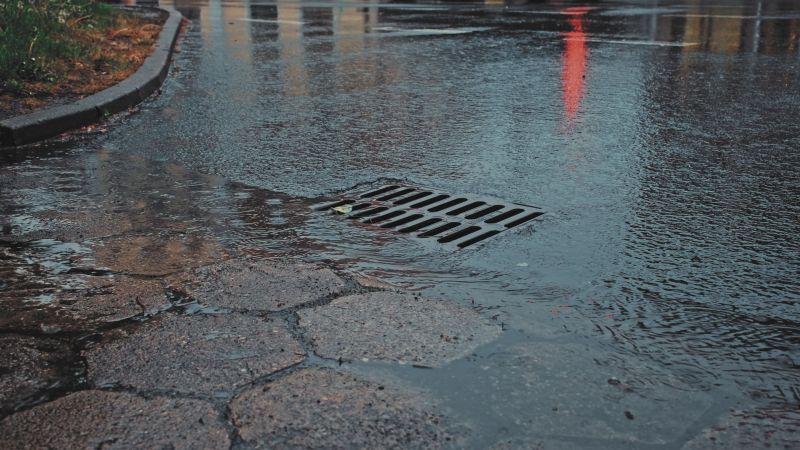
Proper timing of system setup enhances stormwater management efficiency.
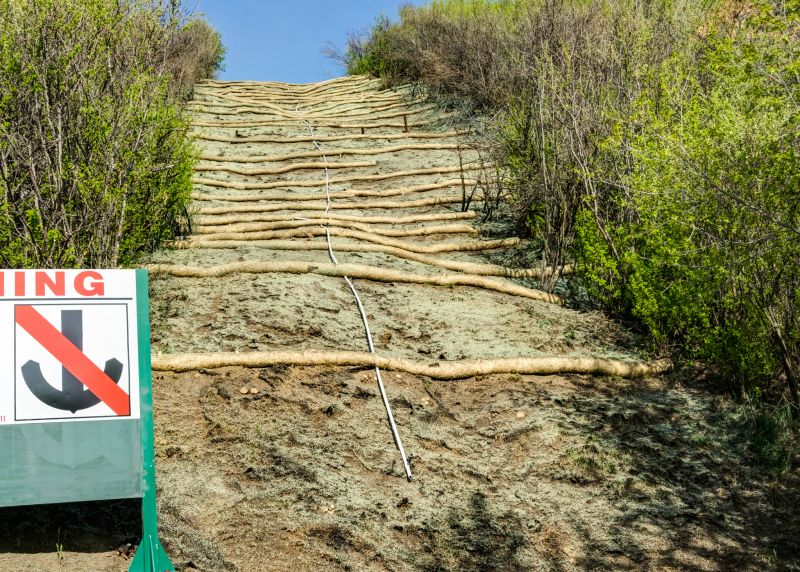
Implementing erosion controls before heavy rains prevents soil loss.
Ways to make Water Runoff Controls work in tight or awkward layouts.
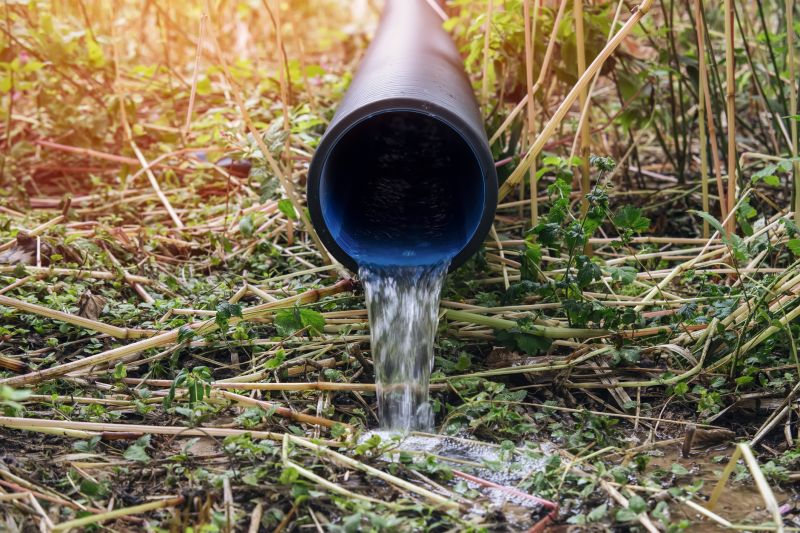
Popular materials for Water Runoff Controls and why they hold up over time.
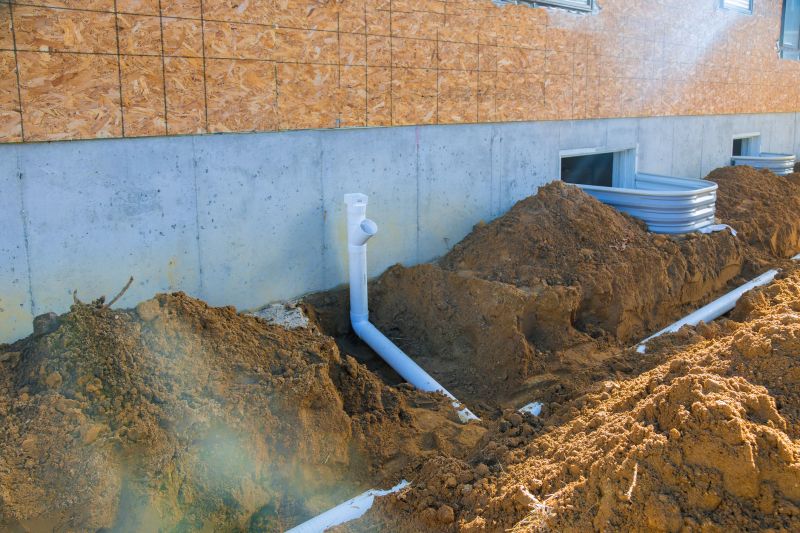
Simple add-ons that improve Water Runoff Controls without blowing the budget.
Water runoff controls encompass a range of systems designed to manage excess water from storms, prevent soil erosion, and protect infrastructure. These controls include retention basins, permeable pavements, vegetative swales, and detention ponds. Proper timing of their installation and maintenance is essential for maximizing their effectiveness. Statistics indicate that well-implemented runoff controls can reduce flood risks by up to 30-50% in vulnerable areas and significantly decrease soil erosion and water pollution.
Strategic timing ensures these systems are functional before the onset of heavy rainfall, reducing property damage and environmental impact. Regular inspections during dry spells help identify potential issues, allowing for repairs and upgrades before the next storm season. Properly timed interventions contribute to improved water quality, reduced urban flooding, and enhanced landscape stability.
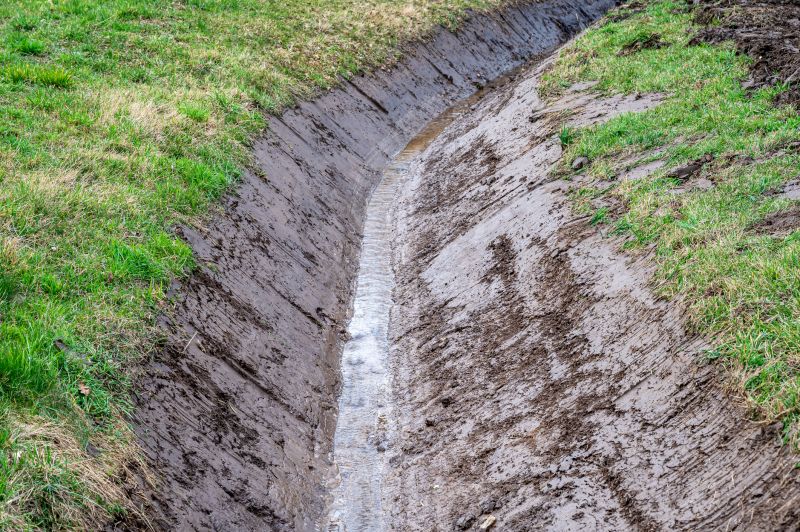
Detention basins are most effective when installed ahead of rainy seasons.
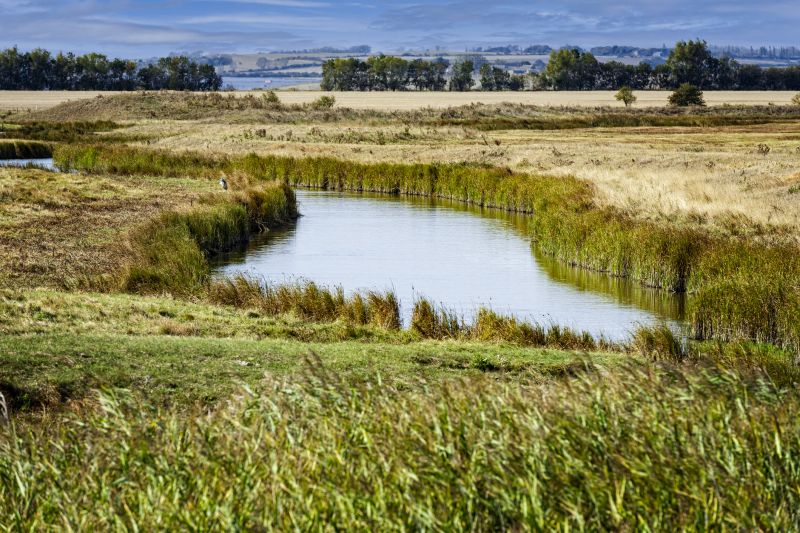
Vegetative swales provide natural runoff management during peak storm periods.
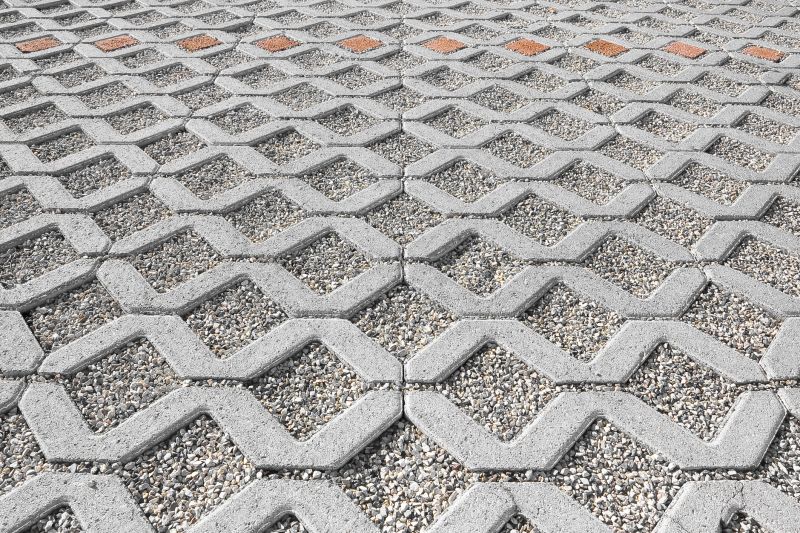
Permeable surfaces should be installed during dry conditions for optimal integration.
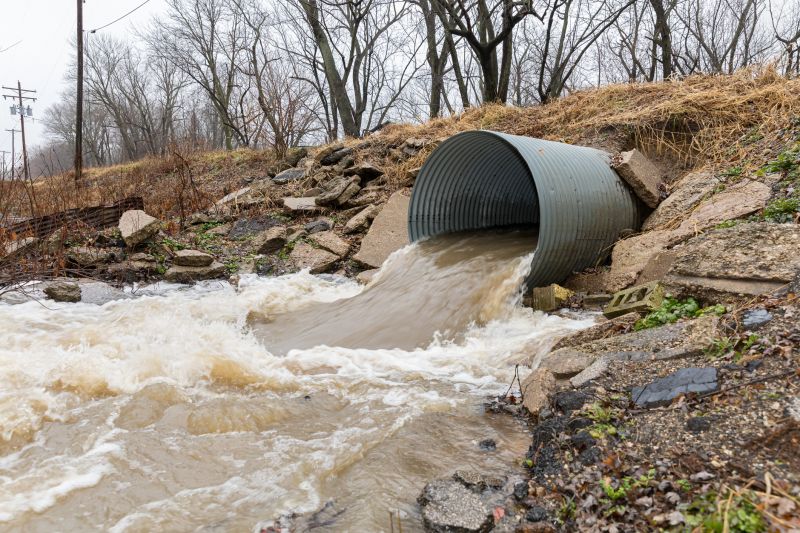
Erosion control measures are most effective when established before heavy rains.

High-end options that actually feel worth it for Water Runoff Controls.

Finishes and colors that play nicely with Water Runoff Controls.

Little measurements that prevent headaches on Water Runoff Controls day.
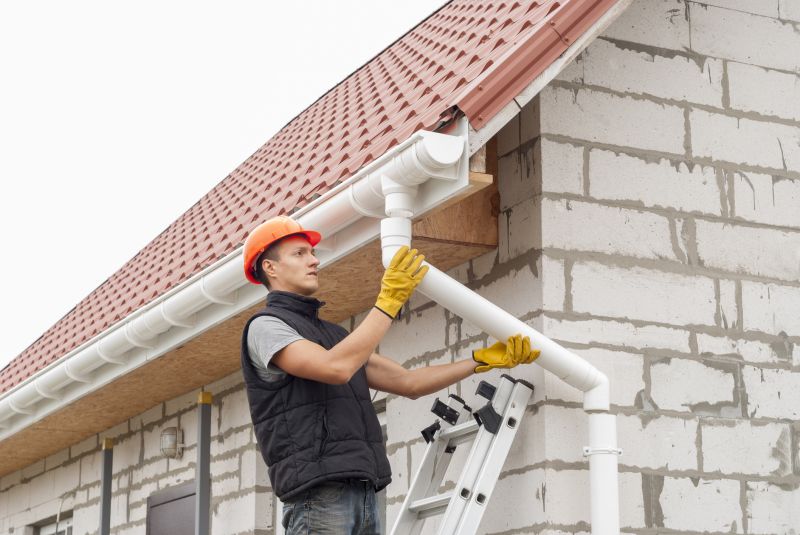
A 60-second routine that keeps Water Runoff Controls looking new.
| Optimal Timing for Water Runoff Controls | Key Considerations |
|---|---|
| Spring | Install systems before the rainy season begins. |
| Pre-Rainy Season | Ensure systems are operational to handle increased water flow. |
| Post-Storm | Conduct inspections and perform maintenance. |
| Dry Season | Monitor and repair systems in preparation for upcoming storms. |
| Autumn | Make upgrades ahead of winter storms. |
| Early Summer | Assess system performance after initial storms. |
| Late Summer | Prepare for peak storm activity. |
| Winter | Perform necessary repairs and maintenance. |
Timing water runoff controls appropriately can significantly enhance stormwater management and reduce environmental impact. Regular assessments and maintenance during suitable periods ensure systems remain effective and ready for heavy rainfall events.
Interested parties are encouraged to contact for further information on water runoff control options and planning to ensure optimal performance during storm seasons.