
Leading Water Runoff Control Options for Effective Water Management
Discover high-performance products that assist in controlling water runoff and protecting your landscape.
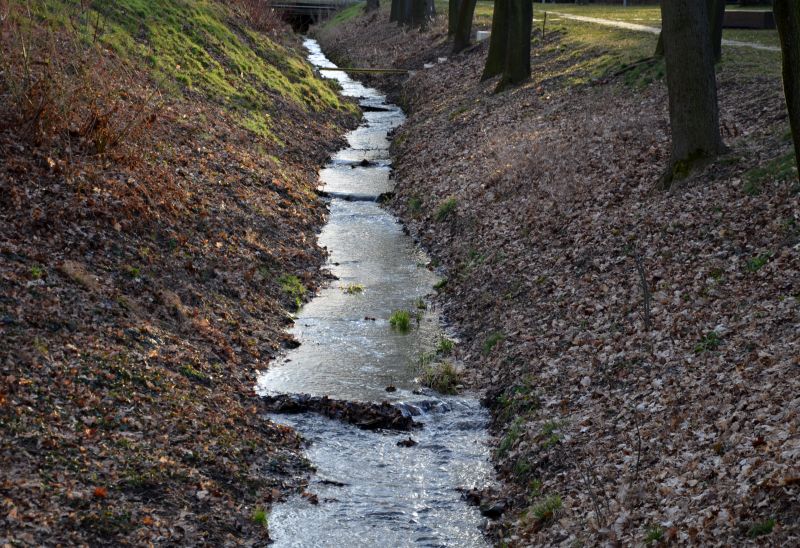 Water runoff control products are essential tools for managing excess water flow in various settings, including residential landscapes, commercial properties, and agricultural areas. These products help prevent erosion, protect structures, and improve water management efficiency. Proper selection of runoff control solutions can mitigate potential damage caused by heavy rainfall or improper drainage, ensuring the safety and stability of the terrain. From simple barriers to sophisticated drainage systems, there are numerous options designed to suit different needs and site conditions.
Top Overall Option
Flexible Drainage Mat
A versatile drainage mat provides a highly adaptable solution for managing surface water runoff. It is designed to fit various terrains and can be installed beneath paving, landscaping, or turf to facilitate water flow and reduce pooling. Its open-cell structure allows water to pass through quickly while supporting soil stability and preventing erosion. Easy to install and maintain, this product can be used in a wide range of applications, making it a practical choice for many property owners and contractors.
Types of Products For Water Runoff Controls
Permeable Pavers
Permeable pavers allow water to pass through their surface, reducing runoff and promoting natural absorption into the ground.
Drainage Pipes
Corrugated or solid pipes designed to channel excess water away from problem areas efficiently.
Erosion Control Blankets
Mat-like products made from straw, coir, or synthetic materials to stabilize soil and prevent erosion on slopes.
Berms and Swales
Elevated barriers and shallow ditches that direct water flow and reduce surface runoff.
Flexible Drainage Mats
Open-cell mats that facilitate water flow beneath surfaces, supporting soil stability.
Rain Gardens
Designed landscaped features that absorb and filter runoff water naturally.
Catch Basins
Structural components that collect surface water and direct it into drainage systems.
Drainage Gravel and Rock
Aggregate materials used to create permeable layers for water filtration and flow.
Sump Pumps
Mechanical devices that remove accumulated water from low-lying areas.
Water Barriers and Barriers
Flexible or rigid barriers that prevent water from entering unwanted areas.
Surface Grates
Metal or plastic grates that allow water to drain while providing surface stability.
Modular Drainage Systems
Pre-fabricated components that can be assembled to create customized drainage solutions.
Soil Stabilization Fabrics
Geotextiles that reinforce soil and prevent erosion while facilitating water movement.
Downspout Extensions
Extensions that direct roof runoff away from foundations and vulnerable areas.
Retention Basins
Larger structures designed to hold and slowly release runoff water.
Infiltration Trenches
Shallow excavations filled with gravel or stone to promote water absorption.
Hydrodynamic Separators
Devices that remove debris and pollutants from stormwater runoff.
Popular Choices
Widely used for driveways and walkways, these pavers help reduce runoff while maintaining surface stability.
Commonly installed in various landscapes to facilitate water movement away from structures.
Popular for slope stabilization and new landscaping projects to prevent soil displacement.
Increasingly favored for their ability to blend landscaping with functional water management.
Frequently used in urban and residential settings to collect surface water efficiently.
Versatile and cost-effective for creating permeable layers in drainage systems.
Commonly employed in basements and low-lying areas prone to flooding.
Effective in directing runoff and protecting sensitive landscaping or structures.
Popular for their durability and ability to handle high traffic areas while draining water.
Flexible options favored for their ease of installation and adaptability.
Chosen for their capacity to manage large volumes of runoff in commercial projects.
Commonly used for soil stabilization and erosion prevention in various landscapes.
Popular for directing roof runoff away from foundations and walkways.
Used in larger developments to manage stormwater runoff effectively.
Increasingly used in urban areas to improve water quality and runoff management.
Effective water runoff management involves understanding the specific challenges of a location, such as soil type, slope, and the volume of water typically encountered. Implementing the right combination of products can help direct water away from vulnerable areas, reduce pooling, and promote proper absorption into the ground. Maintenance and durability are also key considerations, as these products need to withstand weather exposure and regular wear over time.
In addition to traditional solutions like berms and trenches, modern runoff control products include advanced permeable pavements, flexible barriers, and modular drainage systems. These innovations provide flexible and scalable options for both small-scale residential projects and large-scale commercial developments. Proper installation and ongoing maintenance are vital to maximize effectiveness and longevity of the chosen products.
Overall, choosing the right water runoff control products requires careful evaluation of site-specific conditions and project goals. Consulting with specialists and considering a variety of product types can lead to more effective water management strategies, helping to protect property and improve landscape stability in the face of changing weather patterns.
Key Buying Considerations
- Assess the volume of water runoff typically encountered in your area to select appropriately scaled products.
- Consider the terrain and slope of the site to determine the most effective runoff control solutions.
- Evaluate the durability and weather resistance of materials to ensure long-term performance.
- Identify whether the product needs to be permeable or impermeable based on your water management goals.
- Check compatibility with existing landscape features and infrastructure for seamless integration.
- Review installation requirements and whether professional help is needed for proper setup.
- Consider maintenance needs and ease of access for cleaning or repairs.
- Determine the environmental conditions, such as freeze-thaw cycles, that might impact material choice.
- Evaluate the potential for future expansion or modifications to your runoff management system.
- Understand local building codes and regulations related to water runoff and drainage systems.
- Compare costs not only for initial purchase but also for ongoing maintenance and replacement.
- Look for products with good drainage capacity and minimal clogging tendencies.
- Consider aesthetic aspects if the runoff control features will be visible in landscaped areas.
- Assess the ease of integrating multiple runoff control solutions for comprehensive management.
- Seek products with proven performance in similar applications or environments.